
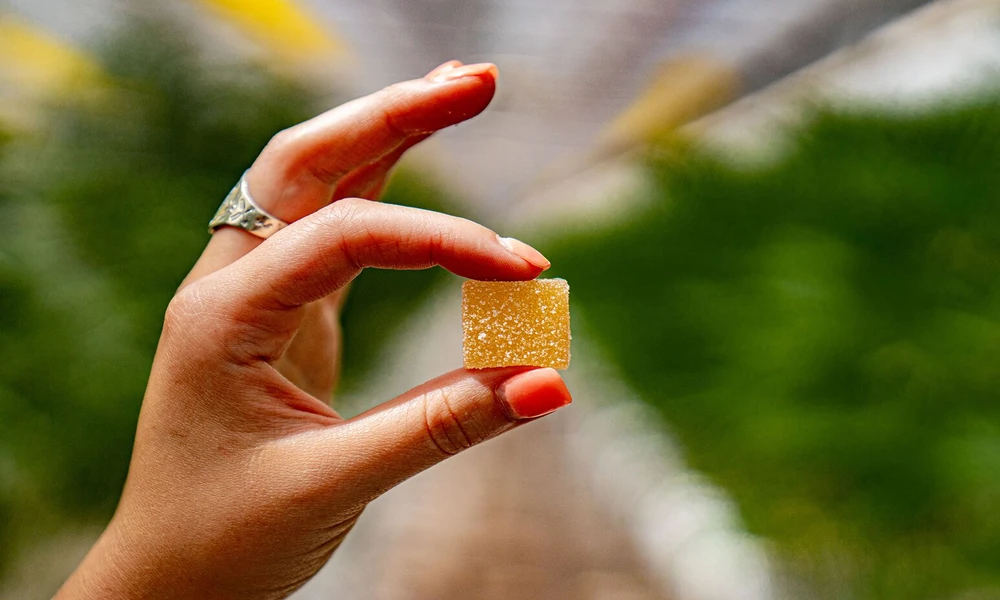

Gummy experiences last four to eight hours for most people, with peak effects filling the middle two to four, and everything shaping that range is worth understanding before planning an evening around it. Shoppers landing on budpop.com/thc-gummies often focus entirely on milligrams, but duration deserves equal attention, since how long an experience runs matters as much as how strong it feels.
Timeline runs in stages
Tracking a gummy experience stage by stage makes the full duration predictable rather than mysterious. Onset occupies the first sixty to ninety minutes, digestion slowly converting cannabinoids into a longer-lasting form, nothing felt yet, patience is mandatory. Effects then climb across the next hour, building steadily rather than arriving all at once, and many people mistake this ramp for the peak before the actual peak arrives. Peak territory holds from roughly hour two through hour five, the fullest and most stable stretch of the experience. Descent follows gradually, effects tapering across another two to three hours rather than switching off, and a gentle afterglow sometimes trails into the following morning after larger doses. Eight hours from first bite toward fully clear is a reasonable planning assumption, longer for heavy servings.
Dose stretches duration
Estimating duration starts with milligrams, because dose stretches the timeline more reliably than any other single factor. A 5mg piece typically runs four to five hours, start to finish, gentle throughout. Standard ten to 25 mg servings fill six to eight hours comfortably, peak stretches included. Larger doses extend everything further, both intensity and total length, sometimes running well past eight hours and leaving morning heaviness behind. Doubling a dose never merely doubles the peak; it lengthens the entire arc, which is exactly why late-night second pieces so often get regretted at sunrise. Matching milligrams against available hours is the core planning skill.
Body factors shift timing
Duration varies person to person for physical reasons that no chart fully captures.
- Metabolism speed changes everything; faster systems process cannabinoids through shorter arcs.
- Food timing matters enormously, full stomachs delaying onset and stretching total duration, empty ones compressing both.
- Body composition plays its part, cannabinoids interacting differently across different bodies.
- Tolerance shortens perceived duration; regular users feel both less intensity and quicker tapers.
- Hydration and sleep quality shape how the descent feels, with tired evenings reading longer than rested ones.
Two people sharing identical gummies routinely report different evenings, and personal pattern learning beats any general timeline within a few experiences.
Planning around duration
Using duration knowledge well means booking the experience against the calendar honestly. Count backwards from tomorrow’s first obligation, subtract eight hours, and take nothing after that line, a simple rule preventing most morning regrets. Weeknights suit smaller doses whose arcs close before bedtime, while weekends absorb larger ones comfortably. First timers should clear an entire evening plus a lazy morning, learning their personal timeline without a schedule, watching. Social events with fixed end times favour earlier, lighter servings, and anyone driving later that night should not be dosing at all that evening, duration being exactly the reason.
Really lasting means longer than most newcomers expect, and treating a gummy as an evening-length commitment rather than an hour-long one is the single adjustment that makes every experience better planned and better enjoyed.
