

Healthy-looking skin is not necessarily the result of using dozens of products. A consistent routine, suitable ingredients, and carefully selected treatments can make skincare more manageable. For people concerned about dullness, uneven texture, or the buildup of dead skin cells, exfoliation may be one option worth exploring.
Microdermabrasion is a form of mechanical exfoliation designed to remove some of the outermost dead skin cells. Professional treatments are commonly performed in dermatology practices and aesthetic clinics, while at-home devices offer a more convenient approach for people interested in incorporating controlled exfoliation into their routines.
However, choosing a device requires more than comparing features or looking at promotional photographs. Understanding how the process works, recognizing its limitations, and following appropriate safety precautions are essential steps before introducing a new exfoliation method.
What Is Microdermabrasion?
Microdermabrasion is a cosmetic exfoliation procedure that gently removes cells from the outermost layer of the skin. Professional treatments generally use a handheld device that combines controlled abrasion with suction. The purpose is to improve the appearance of surface-level concerns, including dullness and uneven texture.
The American Academy of Dermatology explains that professional microdermabrasion can help improve the appearance of uneven skin tone, age spots, and certain forms of discoloration. It is important to understand that professional treatments and home-use kits are not identical. Professional procedures are performed under trained supervision and may use different equipment and treatment settings.
At-home devices are designed for personal skincare routines, but their results and intensity depend on the device, technique, and individual skin characteristics. They should not be considered replacements for professional dermatological treatments.
How Does At-Home Microdermabrasion Work?
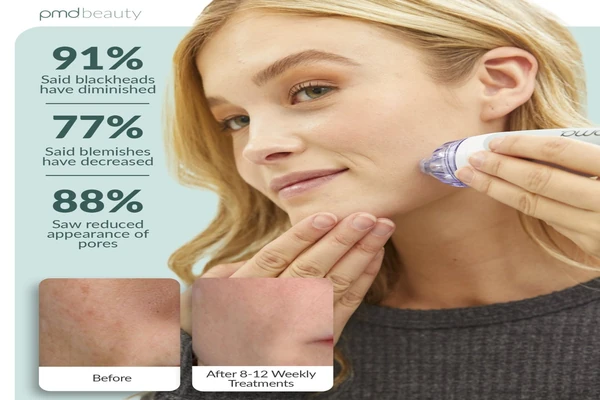
At-home microdermabrasion devices generally use an exfoliating surface or rotating disc to loosen and remove dead skin cells. Some devices also incorporate vacuum suction, which helps lift surface debris during treatment.
The process focuses on the stratum corneum, the outermost layer of the epidermis. Removing accumulated dead cells can temporarily make the skin feel smoother and appear more refreshed. However, exfoliation does not permanently change the skin’s structure, eliminate deep wrinkles, or guarantee a particular complexion.
Some advanced devices provide different exfoliating attachments and adjustable settings. These features allow users to select an intensity that better matches their experience and treatment preferences.
Before choosing a device, it is useful to understand the main features:
- Exfoliating discs: Different disc textures or intensities can provide options for varying exfoliation preferences.
- Adjustable settings: Multiple speed or suction levels can offer greater control over the treatment experience.
- Interchangeable caps: Specialized attachments may be designed for facial, body, or targeted applications.
- Cordless operation: Rechargeable designs can make storage and handling more convenient.
- Cleaning requirements: Removable components and clear maintenance instructions can make regular care easier.
These features should be evaluated alongside the manufacturer’s instructions, warranty information, and suitability for your skin.
Potential Benefits of a Controlled Exfoliation Routine
Exfoliation can help remove surface buildup that contributes to a rough or dull appearance. When the method is appropriate for the individual, the skin may feel smoother after treatment. Some people also notice that their complexion looks more refreshed.
The possible benefits depend on several factors, including skin type, treatment intensity, frequency, and aftercare. Results should be viewed realistically rather than as guaranteed improvements.
A well-planned routine may offer the following advantages:
- Smoother surface texture: Removing some dead skin cells can make rough areas feel softer.
- A refreshed appearance: Exfoliation may temporarily reduce the appearance of surface dullness.
- More consistent skincare: A planned treatment schedule can help prevent unnecessary or excessive exfoliation.
- Personalized treatment options: Devices with multiple settings may offer flexibility when used according to their instructions.
It is also worth remembering that exfoliation is only one part of skincare. Cleansing, moisturizing, and daily sun protection remain important regardless of whether someone uses an exfoliation device.
How to Choose the Right At-Home Device
Not every exfoliation device is suitable for every person. The right choice depends on skin sensitivity, previous experience with exfoliation, desired features, and the manufacturer’s recommended use.
Start by identifying your main skincare concern. Someone interested in improving the feel of rough skin may have different requirements from someone looking for a device with interchangeable facial and body attachments.
Next, compare the available controls. Adjustable suction and speed settings can be useful because they provide options rather than forcing every user into the same treatment intensity. Beginners should pay particular attention to whether the manufacturer provides clear instructions for selecting attachments and settings.
Build quality and convenience also matter. A rechargeable device may be easier to handle, while a storage case and charging base can help keep accessories organized. Check whether replacement discs or other compatible accessories are available before making a purchase.
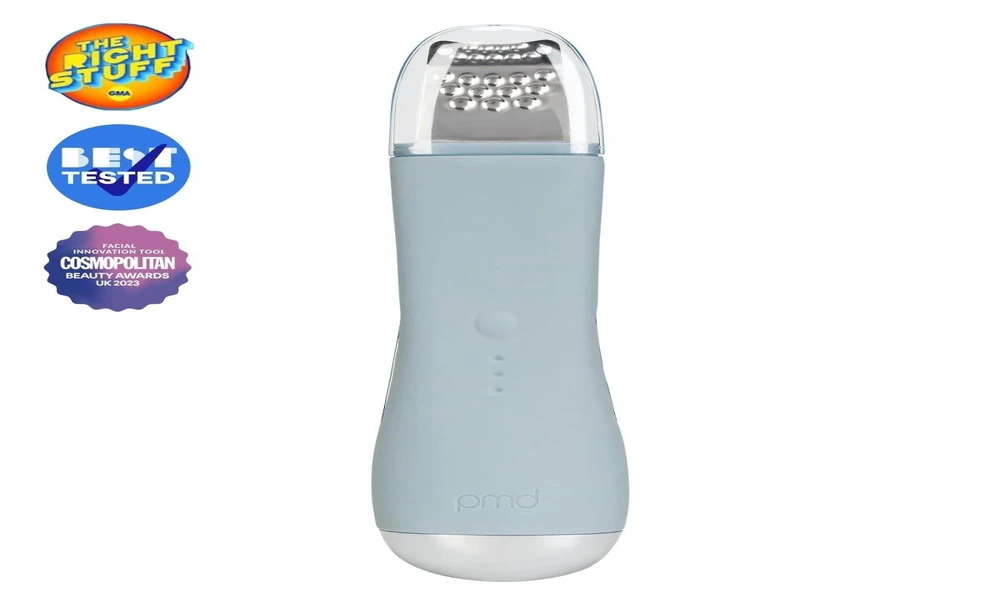
One example in this category is the PMD Personal Microderm Elite Pro. According to its manufacturer, the device includes three speed settings, adjustable suction options, and interchangeable face, body, and blackhead caps. It also uses spinning exfoliating discs and a cordless rechargeable design. These features may appeal to people who want more flexibility when selecting their at-home exfoliation setup.
The most suitable option is not necessarily the device with the largest number of features. It is the one whose instructions, treatment options, and maintenance requirements match your needs.
Preparing Your Skin Before Treatment
Preparation is an important part of any exfoliation routine. Applying a mechanical exfoliation device to skin that is already irritated, sunburned, or damaged can increase discomfort and the possibility of unwanted reactions.
Begin by reading the manufacturer’s complete instructions. Check the recommended treatment frequency, approved areas, attachment options, and any restrictions. Do not assume that a device can be used more frequently simply because the skin appears to tolerate the first treatment.
A few practical preparation steps can help keep the process organized:
- Remove makeup, sunscreen, and surface impurities with a suitable gentle cleanser.
- Allow the skin to dry completely if the device instructions require dry-skin application.
- Select the recommended attachment and starting intensity.
- Check that the device and its components are clean and ready for use.
- Avoid applying the device over irritated, broken, or sunburned skin.
People using prescription skincare treatments or strong exfoliating ingredients should be especially careful. Products containing retinoids, benzoyl peroxide, or exfoliating acids may increase skin sensitivity. Consult a dermatologist before combining these products with mechanical exfoliation.
Using an Exfoliation Device Safely
Following the correct technique is just as important as selecting an appropriate device. Applying excessive pressure, repeatedly treating the same area, or using a stronger setting than recommended can irritate the skin.
Always follow the manufacturer’s specific directions rather than relying on general online demonstrations. Different devices can have different operating methods, attachments, and treatment schedules.
For example, some devices instruct users to move the attachment continuously across the skin without pausing in one location. Others may have specific guidance about movement direction and the number of passes. These details should never be assumed to be identical across brands.
The American Academy of Dermatology advises people to choose exfoliation methods according to their skin type and to avoid over-exfoliating. Its guidance also recommends applying moisturizer after exfoliation because the process can leave skin dry.
If you experience persistent burning, significant redness, swelling, or unusual discomfort, stop using the device. Do not increase treatment intensity in an attempt to achieve faster results.
Aftercare: Supporting the Skin Barrier
Aftercare helps maintain comfort following exfoliation. The skin may temporarily feel more sensitive, so a simple routine is often preferable to introducing several new products at once.
Use a gentle moisturizer that suits your skin type. Avoid immediately layering multiple strong active ingredients unless a qualified skincare professional has advised that they are appropriate.
Sun protection is also important. Exfoliated skin can be more sensitive to sunlight, so apply a broad-spectrum sunscreen with SPF 30 or higher during the day and follow appropriate sun-protection practices.
If you already follow a basic cleansing and hydration routine, keep it consistent. E Fashion Beauty Tips guide to KEY SKINCARE CONSIDERATIONS AROUND HYDRATION AND MOISTURE BALANCE offers additional ideas for keeping product selection focused on individual needs.
Gentle cleansing is another useful part of post-treatment care. For readers interested in cleansing options, E Fashion Beauty Tips also discusses the role of aloe vera face wash in everyday skincare. The important consideration is selecting a cleanser that does not leave the skin feeling uncomfortably tight or irritated.
Who Should Avoid At-Home Microdermabrasion?
Mechanical exfoliation is not appropriate for everyone. People with highly sensitive or easily irritated skin may find that physical exfoliation makes their concerns worse.
Avoid using an exfoliation device over active skin irritation, open wounds, or sunburn. Anyone with an existing skin condition should discuss the suitability of the treatment with a dermatologist before starting.
The American Academy of Dermatology specifically recommends consulting a dermatologist before using an at-home microdermabrasion kit in certain situations, including when a mole or skin spot is changing, growing, or bleeding, or when someone has taken isotretinoin within the previous six months.
People who develop dark marks after acne, insect bites, or minor skin injuries should also seek professional guidance. More aggressive exfoliation can increase the risk of unwanted pigmentation in some individuals.
Building a Balanced Skincare Routine
An exfoliation device should complement a skincare routine rather than become its central focus. A practical routine usually starts with a gentle cleanser, an appropriate moisturizer, and daily sun protection. Additional products should be selected according to individual concerns and tolerance.
There is no need to combine several exfoliating methods simply to make a routine seem more advanced. Using scrubs, exfoliating acids, and mechanical devices too frequently can place unnecessary stress on the skin.
A balanced approach prioritizes consistency, suitable products, and realistic expectations. It also allows enough time to notice how the skin responds before making changes.
Final Thoughts
At-home microdermabrasion can be an option for people interested in controlled mechanical exfoliation, but choosing the right device and using it correctly are essential. Adjustable settings, suitable attachments, clear instructions, and convenient maintenance are useful considerations when comparing available products.
Most importantly, exfoliation should match the needs and tolerance of your skin. Start cautiously, follow the manufacturer’s directions, maintain a gentle aftercare routine, and seek professional advice whenever you are unsure whether a treatment is appropriate. A thoughtful approach is more valuable than pursuing the strongest treatment or the quickest visible result.
