
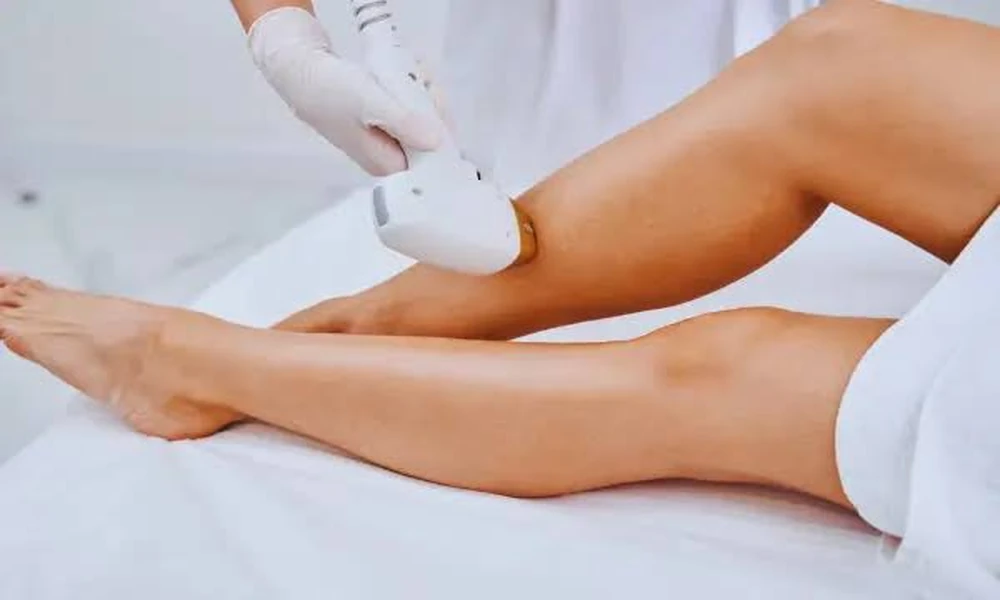

A photograph taken during a cosmetic-clinic visit may have a different purpose from an image intended for social media. Before agreeing, ask which purpose applies, who will see the image and what you are being asked to authorise. Being comfortable with a private progress record does not automatically mean you want your face in a public before-and-after post.
The distinction can be easy to miss when a camera is already part of the appointment. You may be concentrating on the consultation, not on the eventual audience for an image. A short conversation before the photograph is taken can prevent assumptions on both sides. This is a practical way to clarify your preferences, rather than an accusation about how a clinic operates.
Find out why the photograph is being taken
Ask the person taking the image to explain its intended use. Is it for the practitioner’s assessment, for a private comparison at a later visit, for your own reference or for possible promotion? More than one purpose may be proposed. If so, ask how those purposes are separated in the explanation and any forms you are given.
Find out whether the photograph is part of the proposed care process and what happens if you are uncomfortable with it. Do not assume either that every photograph is optional or that every use is necessary. Those are questions for the clinic to explain in relation to the actual appointment. Take time to understand the answer before agreeing.
Questions about storage can be equally concrete. Ask where images are kept, which roles can access them and whom you should contact about them later. You do not need a technical lesson in the clinic’s software, but you should understand the process well enough to know where a future question belongs.
If a form uses broad wording that you do not understand, ask for an explanation in ordinary language. You can point to a particular phrase and ask what it would permit in practice. Avoid signing simply because you think the photographer is waiting. A useful explanation should make the next step clearer, not leave you guessing about the scope of the agreement.
A progress comparison needs context, not filters
When images are being used to discuss progress, ask how the comparison will be made. Changes in lighting, camera angle, expression or makeup can affect how a face appears in a photograph. A striking pair of images is not automatically a clear account of what changed. Understanding the circumstances helps you ask better questions about what you are seeing.
You can ask whether the images were taken at comparable stages and what other factors the practitioner considers when reviewing them. Do not use the photographs to diagnose a problem or decide independently that you need another procedure. They may be one part of a professional assessment rather than a complete measure of the outcome.
Keep your own expectations separate from the most dramatic image you have seen online. A photograph selected for an advertisement may not represent your situation or your preferences. If you bring a reference image, explain what interests you about it rather than asking for the whole appearance to be reproduced.
For personal photographs, preserve an unedited version if you intend to discuss it at an appointment. A beauty filter can change the very feature you want to talk about. You can still choose flattering photographs for ordinary social use; the point is that an image used to explain a concern has a different job from a favourite profile picture.
Treat public sharing as its own conversation
Public sharing raises questions that a private comparison does not. Ask which platforms or materials are being considered, whether your name would appear and how much of your face or other identifying detail would be visible. Cropping an image does not necessarily answer all of those questions. Consider the whole presentation, including captions and accompanying text.
Someone arranging a Vaughan visit with Elysium Beauty can use the clinic’s website to find its contact route and ask about its current photography process. Do not infer the policy from photographs already displayed online. Those images tell you what is visible publicly, not the terms or choices that applied to the people shown.
If you are interested in sharing a result but not ready to decide during the appointment, say so and ask what options exist. Also ask how a later request about an image would be handled. This article does not establish any particular clinic’s policy or promise that an image can be removed from every place it may have travelled.
Think about whether the proposed caption is as comfortable for you as the image. You may be happy with a photograph but not with a personal story, treatment detail or statement about how you felt. Clarifying the proposed presentation before agreeing is more useful than concentrating only on whether the picture is flattering.
Decide what you want to keep for yourself
You may want a private record without wanting to publish anything. Ask whether a copy can be provided, through what channel and with what explanation. Keep any images you receive somewhere you are comfortable storing personal information. Sharing them with a friend, a different practitioner or a social account involves separate choices about audience and purpose.
It is equally reasonable not to turn your experience into a photographic project of your own. You do not owe friends a before-and-after comparison or an account of a cosmetic decision. Choose the amount of documentation that is useful to you while discussing any clinical record requirements with the practitioner.
The camera should not make several decisions look like one. Knowing why an image is taken, how it will be used and which audience you are comfortable with allows you to respond deliberately. A private care conversation and a public beauty story can then remain distinct, even when they begin with the same photograph.
Clinical Progress Photos and Beauty Marketing Are Different Decisions
