
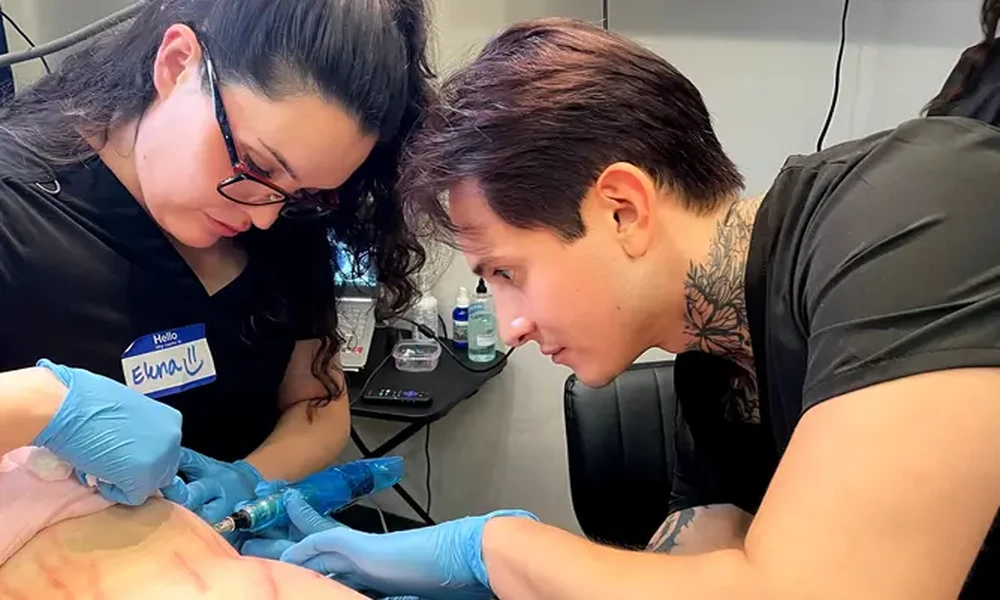

The beauty and aesthetics industry has evolved far beyond traditional cosmetic services. One of the fastest-growing specialties today is paramedical tattooing-a field that combines artistic talent with restorative techniques to help clients regain confidence after surgery, trauma, burns, stretch marks, or skin conditions.
If you’re considering professional paramedical tattoo training, understanding what the curriculum includes can help you determine whether this career path aligns with your goals. Whether you’re an experienced permanent makeup artist or someone looking to expand into a rewarding niche, professional training provides the skills, knowledge, and hands-on experience needed to perform these advanced procedures safely and effectively.
For aspiring artists in San Diego, CA, investing in quality education can open the door to a growing client base while allowing you to make a meaningful difference in people’s lives.
Why Professional Training Matters
Paramedical tattooing is significantly different from traditional body art or cosmetic tattooing. These procedures involve working with scar tissue, discoloration, surgical sites, and delicate skin conditions that require specialized knowledge.
A comprehensive professional paramedical tattoo training program teaches more than how to operate a tattoo machine. It provides an understanding of skin healing, color correction, client consultation, infection prevention, and realistic expectations.
Without proper education, artists may struggle to achieve natural-looking results or inadvertently create complications that affect healing and client satisfaction.
Understanding the Fundamentals of Skin Anatomy
Every successful paramedical tattoo artist begins with a thorough understanding of skin.
- Skin layers and their functions
- Scar tissue characteristics
- Stretch mark formation
- Different skin types
- Skin undertones
- Healing processes
- Pigment retention
Learning skin anatomy allows artists to determine which procedures are appropriate for each client and how different skin conditions affect pigment implantation.
This knowledge becomes the foundation for every advanced technique you’ll perform throughout your career.
Learning Color Theory and Pigment Selection
One of the most important components of professional paramedical tattoo training is mastering color theory.
Unlike decorative tattoos, paramedical tattoo procedures rely on blending pigments naturally with existing skin tones.
Students typically learn:
- Warm versus cool undertones
- Neutralizing discoloration
- Custom pigment mixing
- Correcting previous work
- Color matching techniques
- Pigment aging
- Long-term color stability
Proper pigment selection helps create realistic results that become virtually undetectable after healing.
Scar Camouflage Techniques
Scar camouflage remains one of the most requested paramedical procedures.
Professional training teaches artists how to evaluate:
- Surgical scars
- Injury scars
- Burn scars
- Self-harm scars (when appropriate)
- Cosmetic surgery scars
- Cesarean section scars
Students learn when scars are suitable for treatment, proper needle depth, pigment implantation, and how mature scar tissue behaves differently from healthy skin.
Training also covers situations where scar camouflage should be postponed or avoided.
Stretch Mark Camouflage
Stretch mark camouflage has become increasingly popular among clients seeking non-surgical aesthetic improvements.
During professional paramedical tattoo training, students learn:
- Stretch mark assessment
- White versus red stretch marks
- Pigment placement
- Blending techniques
- Texture considerations
- Multiple-session planning
Many programs also introduce inkless stretch mark rejuvenation techniques that stimulate collagen production while improving skin appearance.
Areola Restoration and Reconstruction
Among the most meaningful procedures taught is areola restoration.
Artists learn techniques used to restore the appearance of the nipple-areola complex following:
- Breast reconstruction
- Mastectomy
- Breast reduction
- Breast lift procedures
- Trauma
Training emphasizes realistic shading, dimension, symmetry, and color matching to create natural-looking results.
Many artists find this area of paramedical tattooing especially rewarding because of the emotional impact it has on breast cancer survivors.
Client Consultation and Assessment
A significant portion of every professional paramedical tattoo training course focuses on consultation skills.
Students learn how to:
- Evaluate skin conditions
- Review medical history
- Set realistic expectations
- Explain healing stages
- Discuss risks
- Recommend treatment plans
- Obtain informed consent
Good consultations help prevent misunderstandings while building trust between artist and client.
Tattoo Safety and Infection Control
Safety is one of the most critical aspects of paramedical tattoo education.
Professional programs include instruction on:
- Universal precautions
- Bloodborne pathogen safety
- Cross-contamination prevention
- Equipment sterilization
- Disposable supplies
- Personal protective equipment (PPE)
- Studio sanitation
These practices protect both clients and practitioners while ensuring compliance with local and state regulations.
Equipment Knowledge
Artists must become comfortable using specialized equipment.
Training often covers:
- Rotary tattoo machines
- Needle configurations
- Cartridge selection
- Machine settings
- Pigment cups
- Lighting
- Skin preparation tools
Understanding equipment allows artists to achieve better precision while minimizing unnecessary trauma to the skin.
Pain Management and Client Comfort
Professional artists know that client comfort contributes to better outcomes.
You’ll learn:
- Proper positioning
- Communication techniques
- Topical anesthetic guidelines
- Procedure pacing
- Managing anxiety
- Aftercare instructions
Creating a comfortable experience encourages client confidence and positive reviews.
Photography and Documentation
Documenting procedures is essential for monitoring progress and building a professional portfolio.
Training typically includes:
- Before-and-after photography
- Lighting techniques
- Camera angles
- Client consent
- Record keeping
- Progress tracking
Professional documentation also supports marketing efforts and demonstrates the quality of your work to prospective clients.
Healing and Aftercare Education
No procedure ends when the appointment is over.
Students learn how to educate clients about:
- Healing timelines
- Washing instructions
- Moisturizing
- Sun protection
- Activities to avoid
- Touch-up appointments
- Signs of complications
Proper aftercare significantly improves healed results and client satisfaction.
Hands-On Practical Experience
Perhaps the most valuable aspect of professional paramedical tattoo training is supervised hands-on practice.
Quality programs often include:
- Practice on synthetic skin
- Live demonstrations
- Instructor feedback
- Guided procedures
- Technique refinement
- Case studies
Hands-on learning allows students to gain confidence before working independently.
Business and Marketing Skills
Many professional training programs also prepare students for business success.
Topics may include:
- Pricing services
- Building a portfolio
- Client retention
- Social media marketing
- Local SEO basics
- Photography for marketing
- Branding
- Consultation strategies
These business skills help graduates build sustainable careers after completing training.
Ethics and Professional Responsibility
Stretchmark tattoo artists work with clients who may have experienced significant physical or emotional challenges.
Training emphasizes:
- Professional ethics
- Client confidentiality
- Compassionate communication
- Managing expectations
- Referrals when necessary
- Scope of practice
Developing professionalism is just as important as mastering technical skills.
Why Train in San Diego, CA?
San Diego offers a thriving beauty and medical aesthetics community, making it an excellent location to pursue professional paramedical tattoo training.
Benefits of training in San Diego include:
- Access to experienced instructors
- Growing demand for restorative tattoo services
- Opportunities to network with beauty professionals
- Diverse clientele
- Advanced continuing education options
- Exposure to current industry trends
As awareness of paramedical tattooing continues to grow, trained professionals in San Diego are well-positioned to build successful and rewarding careers.
Choosing the Right Training Program
Not all training courses provide the same level of education.
- Instructor experience
- Hands-on training opportunities
- Student-to-instructor ratio
- Comprehensive curriculum
- Ongoing mentorship
- Business education
- Certification upon completion
- Alumni success stories
Taking time to research your options can help ensure you receive an education that prepares you for long-term success.
Final Thoughts
Enrolling in professional paramedical tattoo training is more than learning a technical skill-it’s preparing for a career that blends artistry, science, and compassion. From understanding skin anatomy and color theory to mastering scar camouflage, stretch mark camouflage, and areola restoration, comprehensive training equips students with the expertise needed to deliver safe, natural-looking results.
For aspiring professionals in San Diego, CA, quality education provides the confidence to work with diverse clients while building a reputable business in one of the fastest-growing specialti
es in the beauty and aesthetics industry. By choosing a program that emphasizes hands-on experience, safety, ethics, and advanced techniques, you’ll be well on your way to making a lasting impact in clients’ lives while establishing a rewarding and fulfilling career.
Frequently Asked Questions
How long does professional paramedical tattoo training take?
Training programs vary from intensive multi-day courses to several weeks of instruction, depending on the curriculum and hands-on practice offered.
Do I need previous tattoo experience?
Some advanced courses require permanent makeup or tattoo experience, while beginner-friendly programs may teach foundational skills first.
Is certification included?
Many reputable training providers offer a certificate of completion after students successfully finish both classroom and practical components.
What procedures will I learn?
Most programs cover scar camouflage, stretch mark camouflage, areola restoration, color theory, client consultation, safety protocols, and aftercare.
Is there demand for paramedical tattoo artists in San Diego?
Yes. As awareness of restorative tattoo procedures continues to grow, many clients in San Diego seek qualified professionals for scar revision, areola restoration, and camouflage services.
